

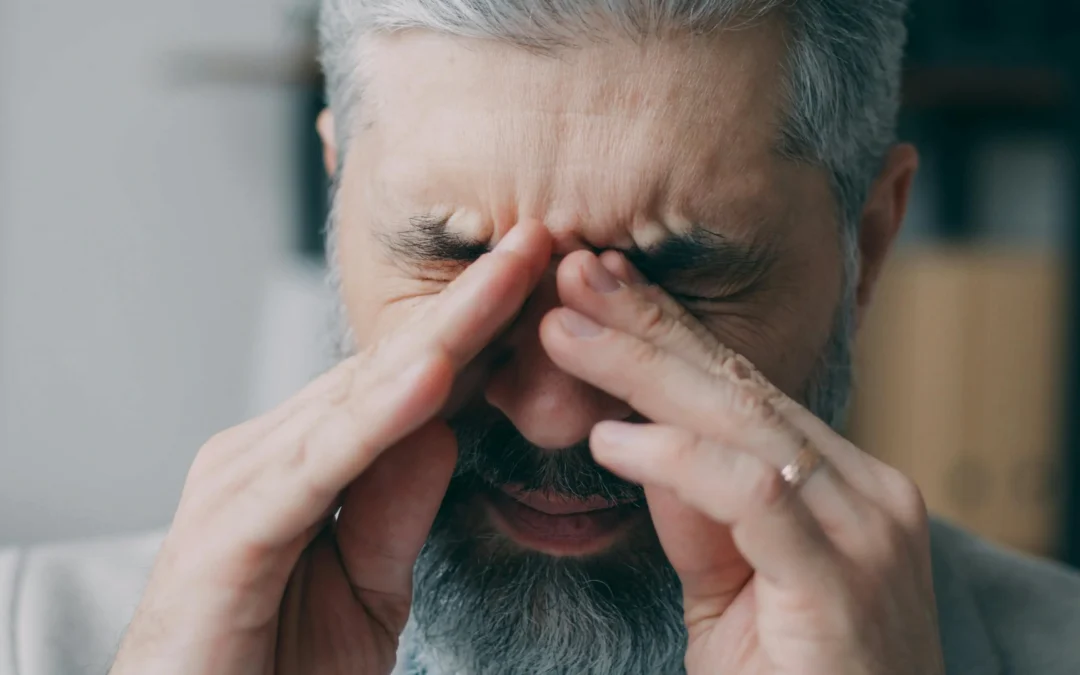
Mental health is part of everyday life, even when we don’t always think about it. It affects how we feel, think, and respond to the world around us. When mental health is balanced, daily routines feel more manageable. When it’s not, simple tasks can feel overwhelming.
Mental health does not only affect emotions. It also affects relationships, work, sleep, physical health, and how we handle stress. Many people struggle quietly, not realizing that what they’re experiencing may be connected to their mental health.
How Mental Health Impacts Daily Life
Mental health plays a major role in how a person experiences each day. It affects energy levels, focus, mood, and motivation. Someone dealing with mental health challenges may wake up already feeling drained or anxious.
Emotional changes are often one of the first signs. A person may feel sad, worried, irritable, or emotionally numb for long periods. These feelings can make it hard to enjoy life or stay connected with others.
Mental health also affects daily responsibilities. Work, school, and household tasks can feel harder to manage. Concentration may suffer, motivation may drop, and stress can build quickly.
Mental health and physical health are closely connected. Ongoing emotional stress can lead to physical symptoms such as poor sleep, low energy, headaches, or stomach discomfort. When mental health struggles go unaddressed, the body often feels the impact too.
How Is Mental Health Diagnosed?
Mental health diagnosis is not about judgment or labels. It is about understanding what someone is experiencing so they can get the right support.
Diagnosis usually begins with an open conversation. A doctor or mental health professional will ask about thoughts, emotions, behaviors, sleep, stress, and daily life. They may also ask how long symptoms have been present and how much they interfere with everyday activities.
Mental health professionals may use short screenings or assessments to understand symptoms better, but there is no single test that provides all the answers. In some cases, medical tests may be done to rule out physical conditions that can affect mental health.
Mental health diagnosis can change over time as symptoms improve and become available. The goal is always to guide care, not define a person.
Common Types of Mental Health Conditions
Mental health conditions are more common than many people realize. Some of the most common include:
- Anxiety disorders, which involve ongoing worry, fear, or nervousness that feels hard to control
- Depression, which includes long-lasting sadness, low energy, and loss of interest in daily activities
- Bipolar disorder, which causes shifts in mood, energy, and behavior
- Post-traumatic stress disorder (PTSD), which can develop after experiencing trauma
- Mental health conditions linked with substance use, where emotional struggles and addiction often occur together
Each condition affects people differently, and many are very treatable with the right support.
Signs and Symptoms of Mental Health Conditions
Mental health symptoms can be emotional, behavioral, or physical. They often develop gradually and may be easy to overlook at first.
Some common signs include:
- Ongoing sadness, anxiety, or mood changes
- Withdrawing from friends or family
- Trouble focusing or making decisions
- Changes in sleep or appetite
- Feeling overwhelmed, hopeless, or disconnected
When these symptoms last for weeks or begin to interfere with daily life, it may be time to seek professional help.
Why Mental Health Awareness Matters
Understanding mental health helps reduce shame and encourages people to get help sooner. Mental health conditions are not a weakness. They are health issues that deserve care and attention.
When people receive the right support, they often experience better relationships, improved daily functioning, and a stronger sense of balance and well-being.
Take the First Step Toward Better Mental Health
If mental health is affecting your daily life, you don’t have to handle it alone. Help is available, and recovery is possible.
- Reach out to a mental health professional
- Talk openly with someone you trust
- Seek support early before symptoms worsen
Taking the first step can feel hard, but it can also lead to real relief and positive change. If you or a loved one needs support, now is the right time to ask for help.